
Digital marketing has become more important than ever in 2020, as the UK’s internet use surges to record levels. The digital transformation has accelerated; due to Covid-19, more people are working from home, and they often have more time to spend online.
Digital marketing enables you to reach a massive audience in a cost-effective and measurable way. Businesses can save money and reach more customers compared with traditional marketing methods. Other benefits include having the ability to interact with your prospects and learn what they’re looking for.
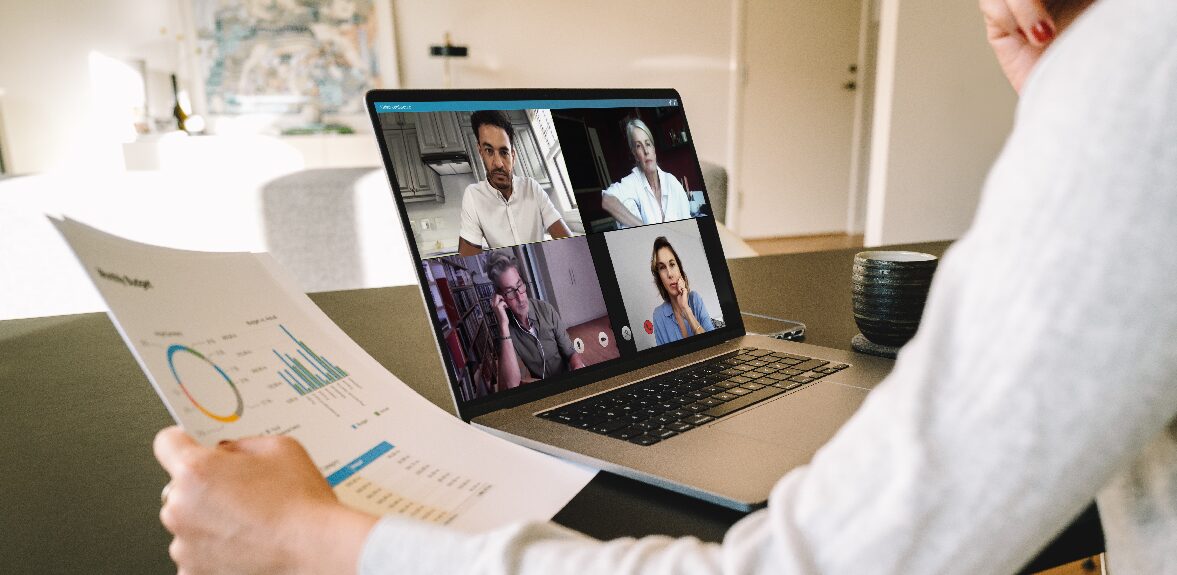
In normal times, going digital is important to your marketing strategy. This year, it’s crucial – here’s 5 reasons why…
1. Growth of internet use
Adults in the UK are now spending more than a quarter of their day online – the highest on record. The average time spent online per day has increased from 3 hours 11 minutes in September 2018 to 4 hours 2 minutes during the Covid-19 lockdown.
There are more people isolated and working from home, particularly since local lockdowns are being implemented again in many parts of the country as cases increase. One business to benefit from this is Zoom, the teleconferencing company, which has experienced a boom in profits, doubling its annual sales forecast as a result.
Everyone was suddenly using Zoom after the lockdown began in March. By April, Zoom had more than 300 million daily users taking part in meetings – an increase from ten million in December 2019. During the quarter ending 30th April 2020, Zoom earned a total revenue of $328.2 million – a 169% increase from the same period in 2019.
Zoom has become a symbol of our love affair with video technology, with people suggesting it’s a glimpse of the future, even when the coronavirus subsides, as they will continue to do business via webcam.
Another beneficiary of the lockdown is TikTok, which has engaged, uplifted and won over the public like no other site. Prior to the pandemic, it was mainly seen as a young person’s platform and a lot of people felt it wasn’t for them. However, it has become one of the fastest-growing social media platforms of all time.
TikTok videos are being shared all the time with other social media channels and the platform has launched its first UK TV advert. It is dominating the media at the moment, surpassing two billion all-time global downloads, after a record-breaking 315 million installs in the first quarter as the lockdown began.
Brands need to use digital marketing to take advantage of this boom and reach these audiences, tapping into the new trend. Good content is still the key – just because there’s more quantity doesn’t mean you can lose quality. Content marketing is an integral component of digital marketing, but now there’s more emphasis on targeting.
Google is developing a more sophisticated, deeper understanding of online content, so marketers must think carefully about how they can tailor their content more precisely in future.
2. Social media growth
Social media has grown massively this year, again due to people spending more time at home online. Sites and apps including Snapchat, YouTube, TikTok and Instagram, which enable people to create, upload and share videos online, have never been so popular.
Research shows 90% of adults who are online and almost all older children have used at least one social media website this year. Many watch videos several times a day and 32% of adults admit to spending more time viewing videos online than they do watching television.
Of the people who use these sites, 59% of older children and 40% of adults are creating and uploading their own videos, with 17% of adults turning it into a money-making enterprise. “Becoming a YouTuber” is a popular career choice among children today.
Figures for July 2020 showed a 10.5% increase in the overall use of social media, compared with the same period in 2019. The Global Web Index survey revealed 41% of men and 46% of women had spent more time on social media during the pandemic. Facebook remains the most popular social media platform, with more than 2.32 billion active monthly users.
Marketers and business owners need to learn about the opportunities to boost engagement as the “new normal” continues to evolve. Since the Covid-19 outbreak began, social media has become increasingly important to target customers and develop relationships.
The GWI research found 54% of people used social media to research products before purchasing. Social media enables brands to interact with their audience, building brand loyalty. This is reflected by the fact 71% of consumers who have had a positive experience on social media with a brand will recommend it to family and friends.
Consumers also depend on influencers’ recommendations on social media, with 49% of users checking them out before making a purchase. More than half (53%) of users said they went on to buy a product they first saw on social media.
3. The need to adapt
This difficult year has shown us how important web analytics are to succeed. They are crucial when brands need to differentiate, or adapt to unforeseen changes, such as the pandemic.
Plenty of brands have adapted successfully during the Covid-19 transition. Consumer electronics brand Philips has adopted a “more holistic communications approach”, according to digital activation manager Oleh Myslinskyy, who says it’s crucial to “prioritise, simplify and focus on your niche” market.
Thibaut Monet, a digital marketer at L’Oréal Professionnel, advises bringing the community together during lockdown. The hair and beauty brand hosts a community of hairdressers on Facebook that has grown by 75% during lockdown. He describes finding “creative ways” to retain the community, keeping members engaged and helping them to use their time wisely.
L’Oreal uses digital technology, e-learning and interactive formats to provide competitions, quizzes and animated games. The aim of the community is to create a source of information, entertainment and education.
4. Content creation
With people spending longer at home, watching more videos, reading more news and spending longer on social media platforms, numerous brands have demonstrated the importance of effective content to attract and engage users.
A prime example of this is the way sports brands through lockdown have launched home workout videos to maintain customer relationships. Multiple sports and fitness brands have been streaming fitness videos free of charge to help people keep fit.
Among them are wellness brand Peleton, best-known for its workouts using a £1,500 stationary bicycle, which is now offering online body-strength and yoga classes for people who don’t have the bike. Downloads of the Peleton app are five times higher than in February, before the lockdown began.
Sportswear giant Nike launched the Nike Training Club free of charge, giving people access to more than 180 free workouts including cardio, yoga and more, lasting from 15 to 45 minutes each. The app also offers targeted running training programmes, wellness guidance and nutrition tips.
Online workouts have a two-fold benefit, not only keeping the brand in the public eye during the pandemic, but also helping people to keep fit, which aids physical and mental wellbeing.
5. The digital transformation
With more online shopping, more mobile searches, less footfall to bricks-and-mortar stores, home working, using the internet to communicate and reduced personal contact, it could be argued that 2020 has accelerated the digital transformation.
According to the Covid-19 Digital Engagement Report, the pandemic has sped up the digital transformation by 5.3 years. The global study by cloud communications platform Twilio reveals over the past few months, digital transformation roadmaps planned for years ahead have been “compressed into days and weeks” to adapt to the new norm.
The report concludes that in the UK, businesses have “rapidly modernised” as a result of the pandemic, which has affected everything from the way companies communicate with customers to how the workplace functions.
Digital technology is being used to completely reimagine the business landscape, with communication tech at the heart of the transition.
It follows that as the digital transformation speeds up, businesses’ use of digital marketing should accelerate at the same rate, as no-one can afford to get left behind in today’s challenging climate. If you’re looking for professional help to join the digital marketing revolution, contact Page1 today for details of how our expertise can help your business not only to survive, but also to prosper and grow.


