
SMEs in the UK are weathering a perfect storm, with a combination of factors collectively placing them under mounting pressure.
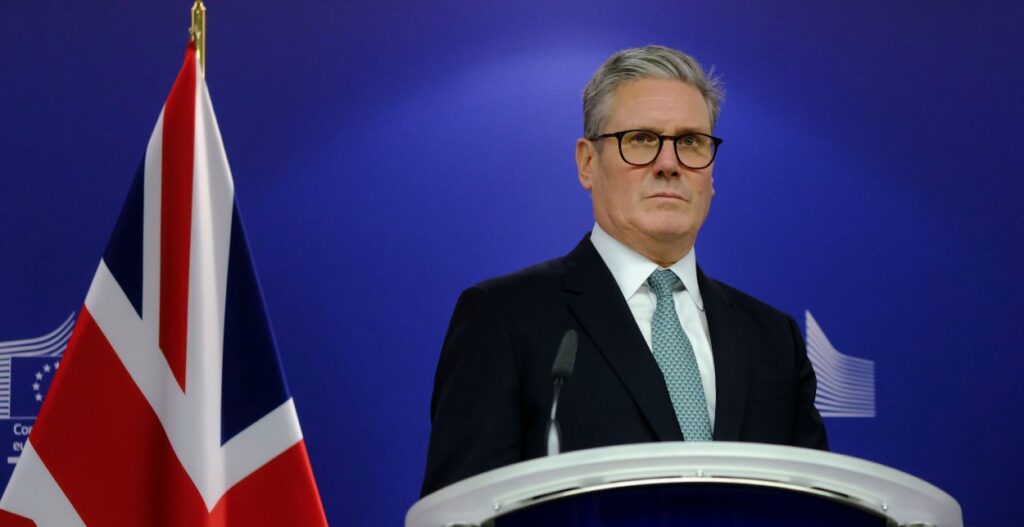
Domestic policy changes under the Labour government, conflicts overseas, rising operational costs, the ongoing fallout from Covid-19 and evolving global trade landscapes, including the introduction of new US tariffs, are hitting traders hard. The result is tighter margins, squeezed cashflow and increased uncertainty about the future, but despite these challenges, the resilience and innovation of business owners continue to shine through.
© Alexandros Michailidis / Shutterstock.com
Why SMEs are the backbone of the UK economy
Small and medium-sized enterprises account for a massive 99.8 % of all UK businesses. Out of a total of 5.5 million private sector firms, 5.45 million are SMEs, employing around 16.6 million people. They generate more than half of all business turnover, equating to £2.8 trillion.
While large corporations often have overseas headquarters, SMEs are rooted in local communities, reinvesting in the local infrastructure, homes, people and British innovation. That makes them not just businesses, but vital lifelines supporting our towns and regions, so, is the Labour government rather shooting itself in the foot?
Rollercoaster ride of growth
British entrepreneurial spirit remains strong, despite the challenging financial climate. In the first quarter of 2025, around 89,515 new ventures were launched, a 2.8 % increase on the same period in 2024, according to the Office for National Statistics. This resurgence follows a contraction during and after the pandemic era, when 8% of the UK’s six million businesses in 2020 had been lost by 2024.
The decline hit the smallest enterprises hardest, although recently there has been a growth in limited companies, indicating a cautious shift towards formal structures. Today, around 4.07 million businesses operate with no paid staff, according to government data.
Challenges: closures, rising costs and change
Sadly, not all stories are uplifting. In April 2025, SMEs nationwide shed approximately 24,900 jobs, with rising National Insurance contributions and increasing minimum wage being cited as the main reasons. Many are reporting a need to change their strategy, with 44% of struggling firms rethinking their entire model – an increase of 18% since 2024.
Local legends like Bennett’s Family Bakers, operating in Bournemouth since 1951, announced closure on 5th July 2025, after being operated by three generations of the same family for 74 years. The current owners, Mrs Margaret Bennett and her son David, who are retiring due to health issues, told reporters no-one wanted to take the business over and it was no longer viable to keep it going. Even stalwarts face difficult choices in trying times.
New figures released on 11th July 2025 revealed the UK economy had shrunk unexpectedly by 0.1% in May, following a 0.3% fall in April. Chancellor Rachel Reeves described the GDP figures as “disappointing” following the second consecutive reduction of the economy in two months. Pledging her continued faith in the government’s efforts to support households financially, she said, “While today’s figures are disappointing, I am determined to kickstart economic growth and deliver on that promise.” Does she have the right ideas though, or is she barking up the wrong tree?
Why there’s still hope
Despite the challenges, SMEs are still confident the economy is turning around, with the sector’s profitability nationwide rising by 8.3% year-on-year in Q1 of 2025, and revenues increasing by 2.9%. Every UK region reported gains during this period, with east England and Scotland experiencing the strongest performance.
Even as some small businesses close, others are changing their strategies, innovating and embracing digitalisation in order to survive and ultimately thrive. Businesses with agility and vision are proving they can flourish, even in the face of adversity.
Digital marketing: a lifeline for growth
In this climate, digital marketing for small businesses isn’t a luxury, it’s a lifeline. Having an online presence broadens reach and fosters meaningful connections with customers, even if footfall declines. Whether it’s strengthening visibility through search engine optimisation, or earning quicker conversions through paid advertising, digital strategies can help SMEs stay competitive.
Leveraging SEO and social media marketing to tell your story, taking a conversational tone, appeals to today’s consumers, who are tired of formal staged adverts: they want to see real people telling true stories behind the products and services they’re considering. Tapping into PPC advertising benefits can bring quick, measurable traffic and enquiries.
Around 60% of SMEs in the UK are using the services of a supportive digital marketing company to understand and promote their journey, following the ethos of more clicks, more views, more business. If you’re thinking of changing your strategy, start by exploring your goals and consider the important questions. Do you need to be found more easily on Google? Do you require an immediate increase in traffic or sales? Are you connecting emotionally with your audience? An SEO and social media marketing plan might be the answer to your prayers as part of a well thought-out, effective digital marketing strategy.
Looking to the future
While the current economic pressures are real, many SMEs are using this time to make bold changes, such as diversifying offerings, refining branding and embracing remote or hybrid models. Around one-fifth of SMEs are now operating remotely with the aim of reducing overheads, using digital marketing experts as a strategic partner in their transformation.
You may think some sectors don’t need an online presence, such as a local high street café that has traditionally relied on footfall. However, investing in social media marketing can mean showcasing behind‑the‑scenes baking, running special offers for followers and being listed more prominently in local search engine enquiries. It could lead to diversifying into outside catering, or an order delivery service if physical footfall has declined.
A boutique retailer who uses a small PPC campaign to promote a spring sale might recover ad spend and then invest in email marketing to turn new customers into loyal supporters. These tactics are accessible, adaptable and replicable for businesses of all sizes.
Feeling uncertain is normal, but the figures show that many SMEs are adapting and succeeding. You don’t need to overhaul everything overnight. Start small, test one digital step and listen to the results. Whether it’s tweaking your website content for search, allocating a modest PPC budget, or sharing your story on social media platforms, each action reinforces your visibility.
If you’re feeling stuck in a rut, consider reaching out to a digital marketing company to discuss how investing in search engine optimisation and other forms of online marketing can help. When the world outside feels unstable, managing your online growth can offer confidence and greater control over your future.


