For many small business owners and sole traders, the forthcoming Autumn Budget 2025 is a signal of how government priorities will influence your operating environment.
With the Chancellor, Rachel Reeves, under pressure to plug a substantial deficit, Budget tax changes are inevitable. However, the government has pledged not to raise income tax, National insurance or VAT on working people. The question is: where will the money come from, and how might those shifts affect your business?
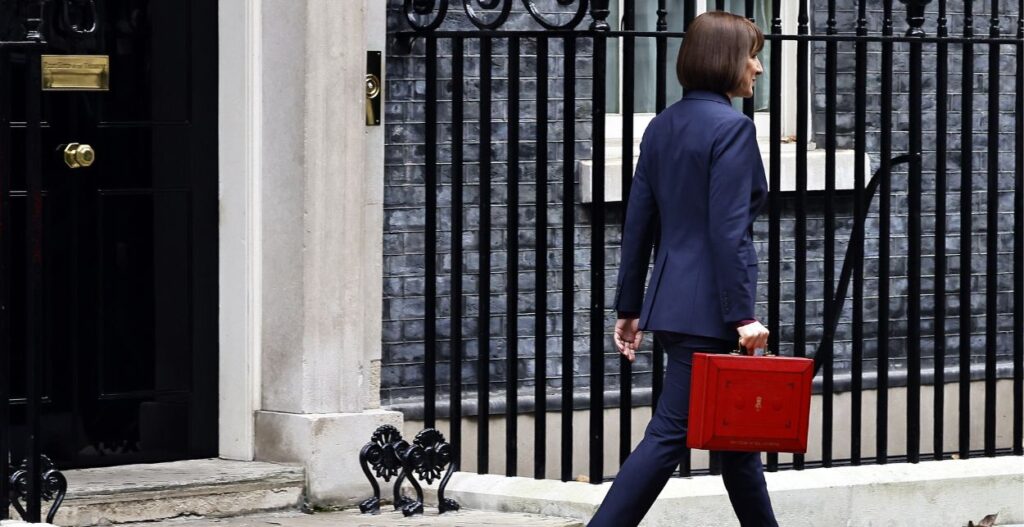
© Sean Aidan Calderbank / Shutterstock.com
When is the next Budget?
When the Budget arrives on Wednesday 26th November, slightly later than usual, the announcements will set the tone for your next 12 to 18 months’ trading. SMEs already report low confidence that the Budget will deliver positives for them. Is it going to be a case of survival of the fittest businesses?
With inflation still elevated and costs remaining high, any tax or regulatory change, even small, can ripple through your profit margins, hiring decisions and growth plans. Many SMEs face increased uncertainty.
Payroll costs are climbing with wage rises and employer national insurance adjustments. Meanwhile, cashflow remains fragile, so you’ll need to watch for subtle changes in eligibility thresholds, reliefs and compliance burdens.
What does the budget mean for small businesses?
In recent years, the government has extended reliefs targeted at SMEs, such as maintaining the £1 million Annual Investment Allowance and keeping the Corporation Tax small profits rate. Autumn Budget predictions for 2025 are suggesting several plausible reliefs.
One major possibility is an increase in the trading allowance – potentially up to £3,000 according to business-community campaigners. This could benefit micro businesses with minimal admin requirements.
Another possibility is enhanced reliefs for investment into green economy equipment, digital adoption or regional growth zones, as the government signals support for innovation and sustainability.
Employment-related reliefs might also be extended; for example, raising the Employment Allowance for small employer National Insurance liabilities. If you’re an SME owner, now might be a good time to review whether you can accelerate investment into digital upgrades and sustainability to benefit from potential relief announcements.
For small businesses, this is a prime moment to make clever marketing decisions. By aligning strategic choices with potential government incentives, SMEs can position themselves for stronger growth in the year ahead. Investing in your online presence and exploring the many digital marketing benefits, from improved brand visibility to higher engagement and measurable ROI, can ensure that your business not only adapts to economic shifts, but thrives because of them.
Business rates reform
Business rates remain one of the largest fixed cost burdens for many bricks-and-mortar SMEs such as retail, hospitality, leisure and professional services. The government has already flagged business rates reform as a priority, aiming to make the system fairer and support high streets. You may see clarification of transitional relief packages for the revaluation coming in April 2026.
However, a reform that appears supportive for small units may still shift burden in ways that impact sectors unevenly, perhaps increasing rates for large properties, or altering how reliefs are phased. If you operate a physical outlet, take time to model different rate-scenarios: what happens if your rateable value increases, or if reliefs shrink? The Budget announcement will probably offer details on how the government expects to balance fairness, investment incentives and revenue.
Access to finance for SMEs
Access to finance remains a concern for SMEs, especially in a context of rising costs, tight margins and slower growth. The government has committed to extending programmes designed to broaden access. This could include the British Business Bank’s loan programmes, export finance, digital adoption funds and mentoring support. You might expect announcements of expanded low-interest loan schemes, grants for digital and green upgrades, or enhanced credit-sharing mechanisms to improve lending access for smaller firms.
Predicted changes to the VAT system
VAT tends to attract lots of speculation before the budget. While the government has ruled out raising the standard 20% rate on working people, attention has turned to the scope of VAT, rather than the rate itself. For instance, lowering the VAT registration threshold would bring more small businesses into the system. Alternatively, the government could move certain goods or services between zero rate, reduced rate and standard rate categories.
Your key questions should be: will you be brought into the VAT net or continue to qualify for relief? Are your products or services in a category that might shift? While changes are not guaranteed, budget commentary suggests some tweaking of VAT scope might be on the table. Modelling whether your business’s VAT status could change is prudent before the announcement.
Expected impacts of inflation and cost-of-living adjustments
Inflation and cost-of-living pressures loom large for SMEs. Wage inflation, energy costs, supply-chain pressures and rising business overheads all squeeze margins. The Autumn Budget will need to address how the government plans to mitigate those pressures for small businesses and consumers alike.
For example, earlier announcements raised the national living wage by 6.7% to £12.21 per hour and the minimum wage for younger workers by 16.3%. These measures are great for workers, but add complexity for SME employers.
The budget may include targeted support, such as tax relief for sectors most impacted by high costs, or direct grants to offset inflationary pressures. From your perspective as a business owner, assess how cost changes have affected your margins, and whether you’re positioned to benefit from any potential relief measures.
Why does the timing matter?
The Budget timing matters for several reasons. First, it impacts when the changes will take effect; some measures may apply from April 2026 or later, giving you time to plan. Second, the late November date means you have a few weeks of speculation and rumour, so as an SME owner, you may want to keep an eye on market commentary in the run-up. Finally, the date signals the government’s timetable for implementing reforms, which means you should start planning now, rather than waiting for the formal announcement.
Timing is everything when it comes to growth, and that includes clever digital marketing. Getting your strategy set up early gives your business the head start it needs to stay visible and competitive, no matter what the Budget brings.
It’s clear that SMEs who are prepared and who understand their cost base, cashflow, investment horizon and risk exposure are best placed to respond. The next budget is a moment that will shape your business’s fortunes in the year ahead. As we move towards 26th November, keep your company’s finances under review, engage with advisors as needed and assess how the potential measures align with your strategy.
From one SME to another, we know how challenging it can be to stay ahead in a constantly changing landscape, but with every challenge comes opportunity. By planning strategically, embracing innovation and harnessing the power of digital marketing, you can transform uncertainty into growth.
At Page1, we’re passionate about helping SMEs achieve more clicks, more views, and more business. Whether you’re navigating policy changes or planning your next marketing campaign, our team is here to help you make smarter choices, maximise your visibility, and drive real results. We want to help you turn the coming year into one of progress, confidence, and measurable success.